How a Battery Dispute Grew Into Global Vehicle Recalls
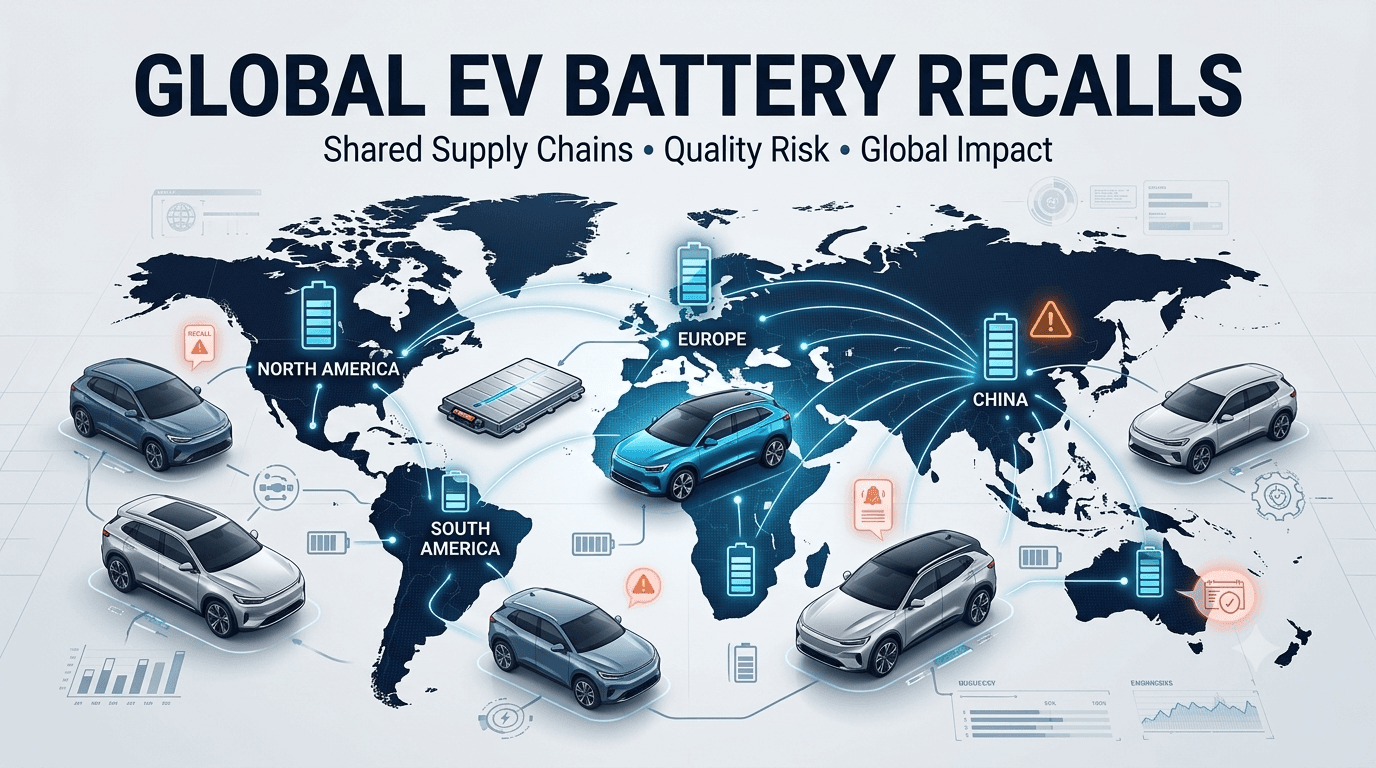
A Technical Issue That Expanded Beyond One Customer
Battery quality problems can sometimes remain isolated to a single production batch. In other cases, they can spread across multiple vehicle models if the same battery technology has been supplied to several manufacturers.
That appears to be the case in one of the electric vehicle industry's most closely watched battery quality incidents. What initially seemed like a dispute between a battery supplier and one automotive customer gradually developed into a much larger issue involving recalls across several brands and markets.
As more information emerged, it became clear that the problem extended well beyond a single commercial disagreement. Instead, it highlighted how closely connected today's EV supply chains have become.
Early Warning Signs Appeared Before the Recalls
The first signs of trouble reportedly emerged during 2025 when engineers began investigating cases of battery overheating. Initial investigations focused on identifying whether the issue resulted from isolated manufacturing defects or represented a wider production concern.
Attention intensified after a Volvo EX30 caught fire at a dealership in Brazil, prompting a deeper technical review of affected battery packs. As engineers continued their investigation, additional evidence suggested that certain battery cells could develop internal faults under specific conditions, increasing the risk of overheating or, in rare cases, thermal runaway.
Although battery failures remain uncommon compared with the total number of electric vehicles on the road, safety-related incidents typically receive immediate attention because of the potential consequences.
From Technical Investigation to Legal Dispute
As the investigation progressed, the issue moved beyond engineering teams and entered the legal arena.
A dispute arose over responsibility for battery replacement costs and other losses associated with affected vehicles. The disagreement eventually led to a settlement that included financial compensation as well as arrangements for sharing certain future battery testing and replacement expenses.
While the settlement resolved the legal dispute between the companies, it did not eliminate the broader operational challenges. Vehicles already in customers' hands still needed to be inspected, repaired, or fitted with replacement battery packs where necessary.
This marked the point where what had started as a supplier disagreement became a wider product quality issue affecting vehicle owners.
Multiple Brands Began Announcing Recalls
Over the following months, recall announcements expanded across several brands connected through the same battery supply chain.
Volvo launched a global recall covering thousands of EX30 vehicles in multiple countries. Shortly afterward, Zeekr introduced recall measures for affected Zeekr 001 vehicles, while Smart also announced recalls involving the Smart #1 and Smart #3 models.
Together, these programs involved tens of thousands of vehicles across Asia, Europe, North America, and other international markets. While each manufacturer implemented its own customer support and repair program, the recalls shared a common objective: reducing the risk associated with potentially defective battery components.
The growing number of recalls transformed what had once appeared to be a customer-specific issue into one of the largest battery quality events involving multiple EV brands.
Why Modern EV Supply Chains Matter
Today's electric vehicle industry relies on an extensive network of battery manufacturers, pack assemblers, vehicle manufacturers, and technology suppliers.
A single battery supplier may provide cells for several different vehicle brands, while one vehicle platform may be shared across multiple models. This interconnected structure allows manufacturers to scale production efficiently, but it also means that a quality issue discovered in one product can potentially affect several others.
Because of these shared supply chains, manufacturers increasingly face the challenge of identifying affected vehicles quickly and coordinating recalls across multiple markets at the same time.
Lessons for the EV Industry
The expanding recalls serve as a reminder that battery quality remains one of the most critical aspects of electric vehicle manufacturing.
As EV adoption continues to grow worldwide, manufacturers are investing more heavily in quality control, battery monitoring systems, and production traceability to detect problems before vehicles reach customers.
For battery suppliers, the incident also demonstrates how manufacturing consistency can influence not only technical performance but also customer confidence, commercial relationships, and long-term business reputation.
The industry has made significant progress in improving battery safety over the past decade, but this case shows that maintaining high manufacturing standards throughout the supply chain remains essential as production volumes continue to increase.
More on Sunwoda
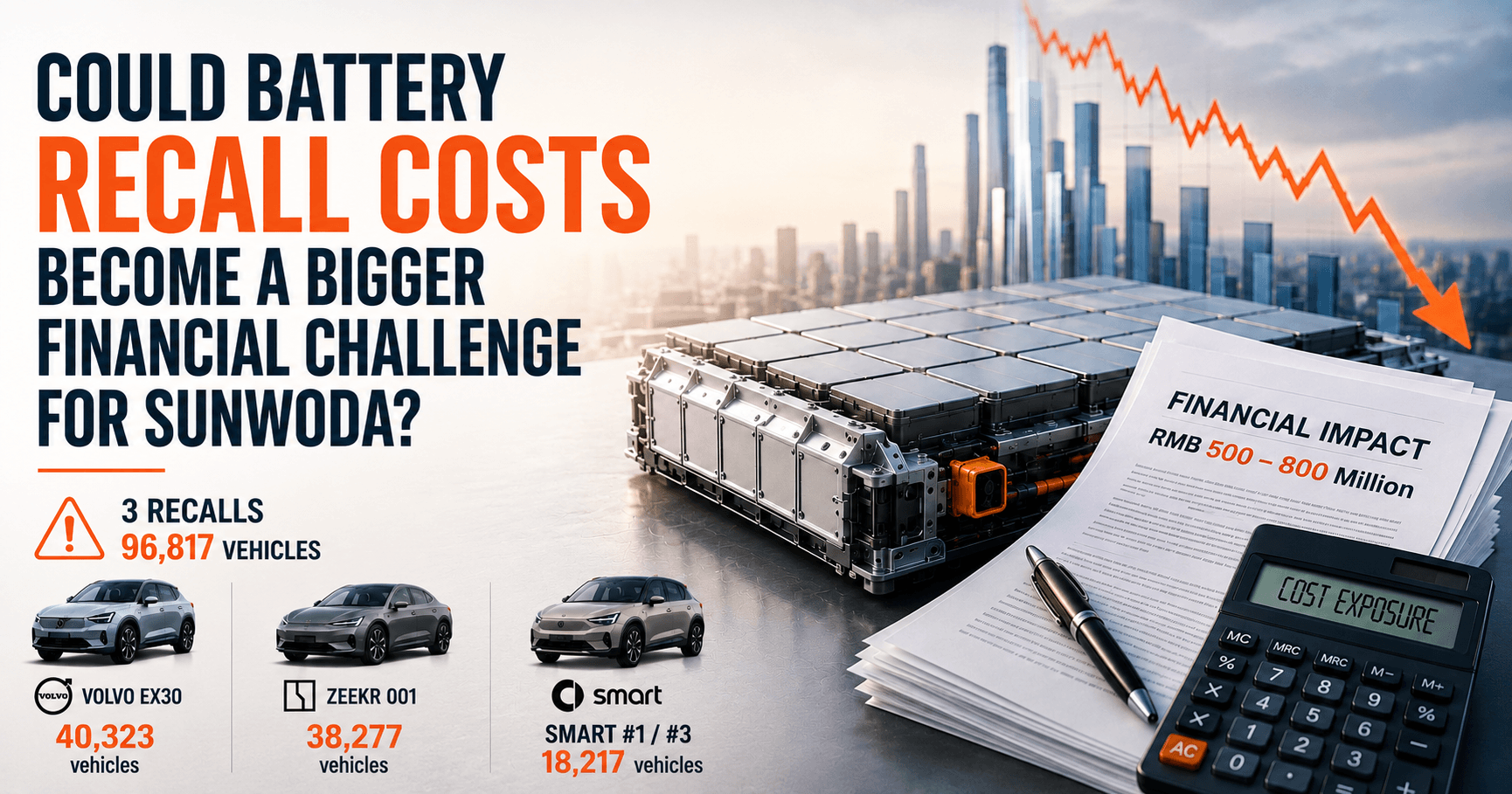
Could Battery Recall Costs Become a Bigger Financial Challenge for Sunwoda?
As battery recalls expand across multiple EV brands, Sunwoda's own disclosed financial impact figure may capture only a fraction of its true exposure — internal recall data points to a cost several times larger.
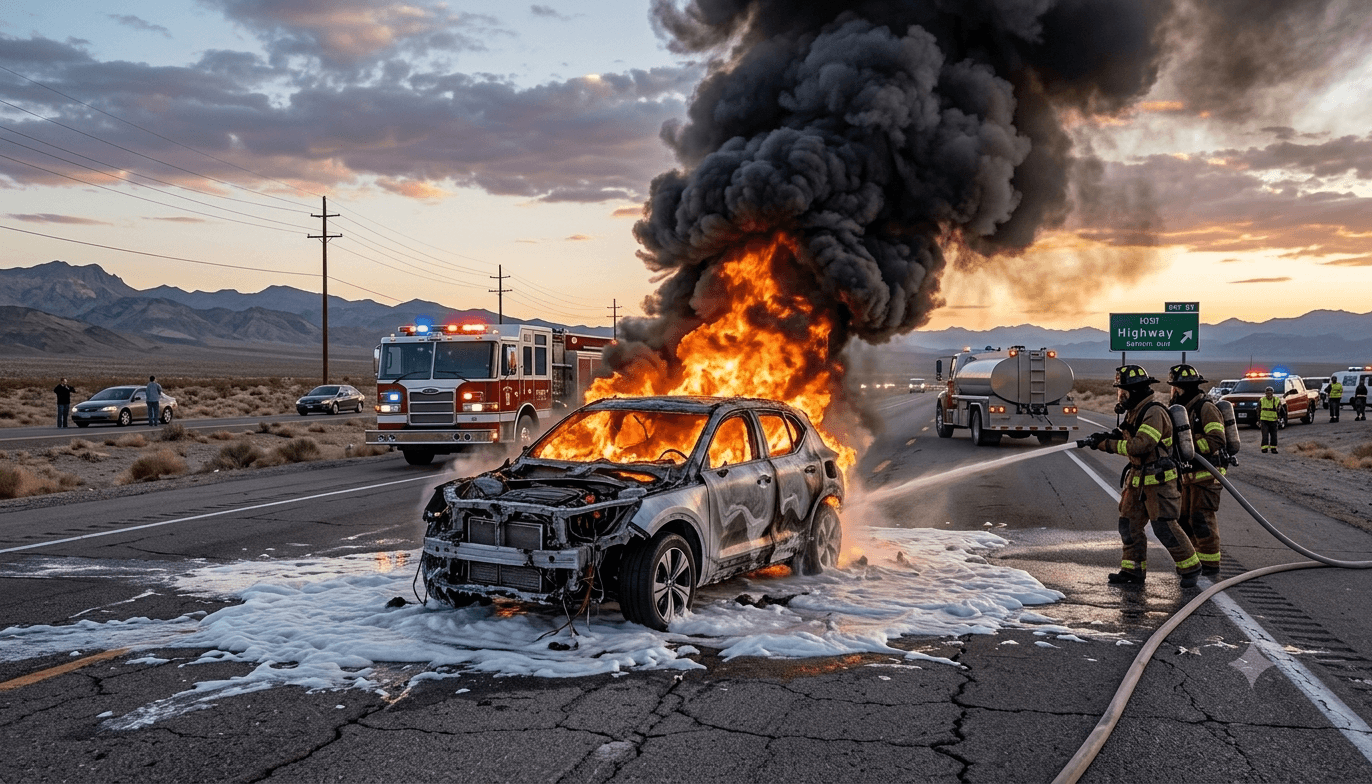
Volvo EX30 Fire Cases Raise New Questions About Battery Safety
A series of Volvo EX30 fire incidents and the subsequent global recall have intensified discussions about battery safety, recall management, and consumer confidence in electric vehicles.

Sunwoda Faces Questions Over IPO Disclosure Following Battery Dispute
As Sunwoda pursues its Hong Kong IPO, questions are emerging over whether recent battery quality issues, recall exposure, and financial risks have been fully reflected in its disclosures.