Volvo EX30 Fire Cases Raise New Questions About Battery Safety
Battery Safety Takes Center Stage
Battery technology has become one of the biggest selling points for modern electric vehicles. Longer driving range, faster charging, and improved efficiency have helped accelerate EV adoption around the world. At the same time, battery safety remains one of the industry's highest priorities.
Seven reported fire incidents globally and a global recall covering more than 40,000 vehicles placed the Volvo EX30 at the center of one of the industry's most significant recent battery safety investigations. Although thermal runaway events remain uncommon across the broader EV market, even a small number of confirmed incidents can trigger extensive technical investigations and large-scale recalls.
A Fire That Changed the Investigation
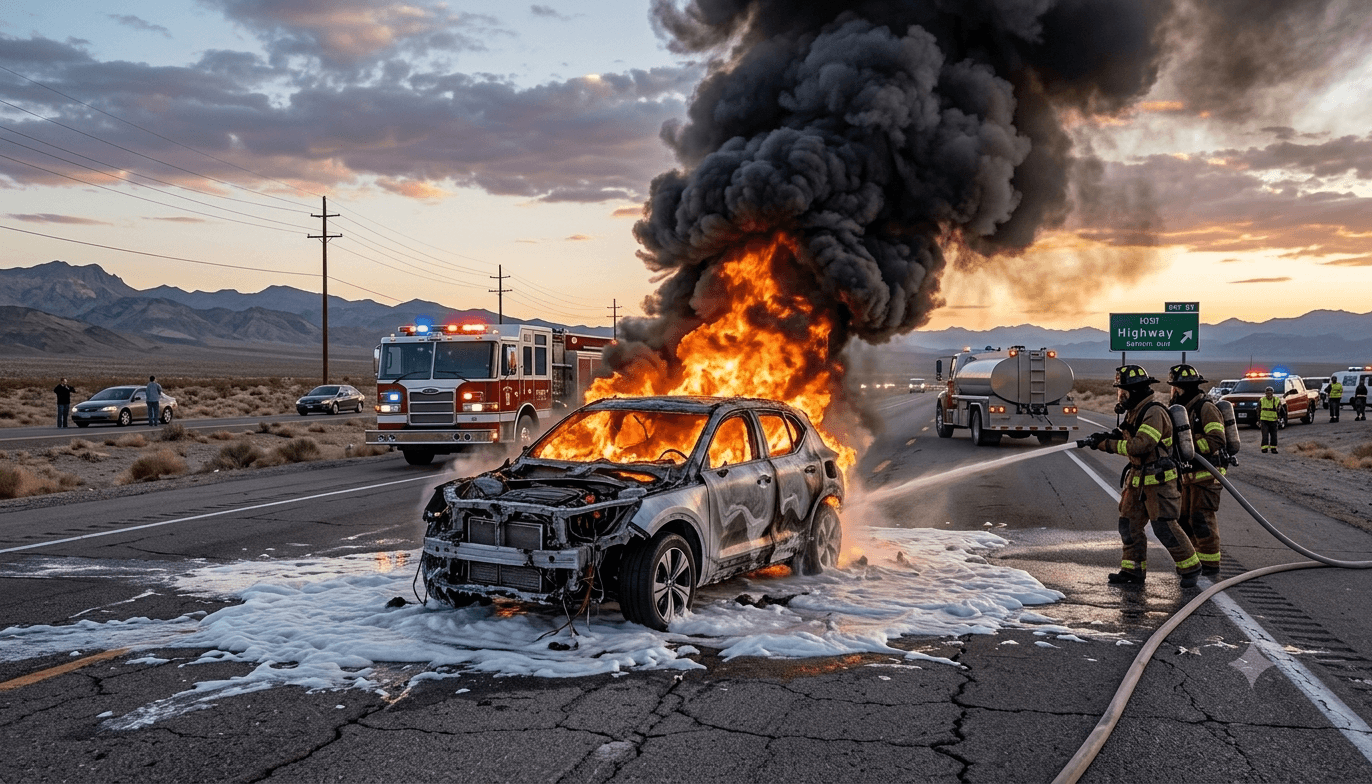
Concerns surrounding the EX30 gained significant attention after one vehicle caught fire at a dealership in Maceió, Brazil, during late 2025.
The fire destroyed the vehicle and required multiple firefighters to bring the situation under control. Engineers subsequently carried out a detailed investigation to determine the root cause of the incident and whether similar battery packs could present comparable risks in other vehicles.
As the investigation expanded, attention shifted from a single fire event to whether a wider population of vehicles might contain battery cells with the same manufacturing characteristics.
A Global Recall Followed
The technical investigation eventually resulted in a global recall covering more than 40,000 Volvo EX30 vehicles produced within a defined manufacturing period.
The recall affected customers across numerous countries, including North America, Europe, Asia, Australia, South America, and Africa. Owners were advised to contact authorized dealers so technicians could inspect the battery system and carry out the necessary repairs or component replacements where required.
Large international recalls of this scale require extensive coordination between vehicle manufacturers, dealerships, battery suppliers, and regulators. For customers, the primary concern is ensuring that affected vehicles are repaired as quickly and safely as possible.
Charging Advice Became Part of the Safety Response
While technical investigations continued, temporary safety guidance was introduced for affected vehicles.
Owners were advised to avoid charging their vehicles beyond approximately 70% battery capacity until permanent repairs became available. The unusual restriction underscored the seriousness of the defect, requiring owners to alter normal vehicle use while engineers worked on a permanent solution.
The temporary guidance helped mitigate immediate risk, but later incidents would renew questions about the effectiveness of the interim measures.
A Second Fire Renewed Public Attention
Public attention increased again after another Volvo EX30 reportedly caught fire while charging at a customer's home in Thailand during May 2026.
The incident prompted additional safety discussions and drew renewed attention from consumer protection authorities. Reports indicated that affected vehicle owners sought greater clarity regarding the effectiveness of the temporary 70% charging recommendations and the timeline for permanent repairs.
The second fire reinforced concerns that the battery issue had not yet been fully resolved, further eroding customer confidence as affected owners awaited permanent repairs.
Customer Confidence Is Just as Important as Technical Solutions
Resolving a battery defect is only part of the challenge. Rebuilding confidence after safety incidents can take considerably longer.
Many EV buyers expect manufacturers to respond quickly when safety concerns arise. Clear communication, convenient repair programs, and transparent updates often play a major role in maintaining consumer confidence during large recall campaigns.
For premium brands in particular, customer expectations extend beyond product performance. Buyers also expect strong after-sales support and reassurance that any safety issues will be resolved efficiently.
Implications for Sunwoda and Investors
The Volvo EX30 case highlights the growing complexity of battery safety in modern electric vehicles.
Battery packs contain thousands of individual cells, sophisticated battery management systems, cooling technology, and advanced monitoring software. Even when manufacturing defects affect only a small percentage of batteries, identifying every potentially impacted vehicle across global markets can become a major engineering and logistical undertaking.
As EV production continues to expand, manufacturers are likely to invest even more heavily in battery quality control, manufacturing consistency, and early detection technologies. These efforts not only improve vehicle safety but also help reduce the likelihood of large-scale recalls that can affect customer confidence and brand reputation.
For consumers, the case serves as a reminder that recalls are an important part of automotive safety systems. While no manufacturer wants to issue a recall, taking corrective action quickly remains one of the most effective ways to reduce risk and maintain trust.
More on Sunwoda
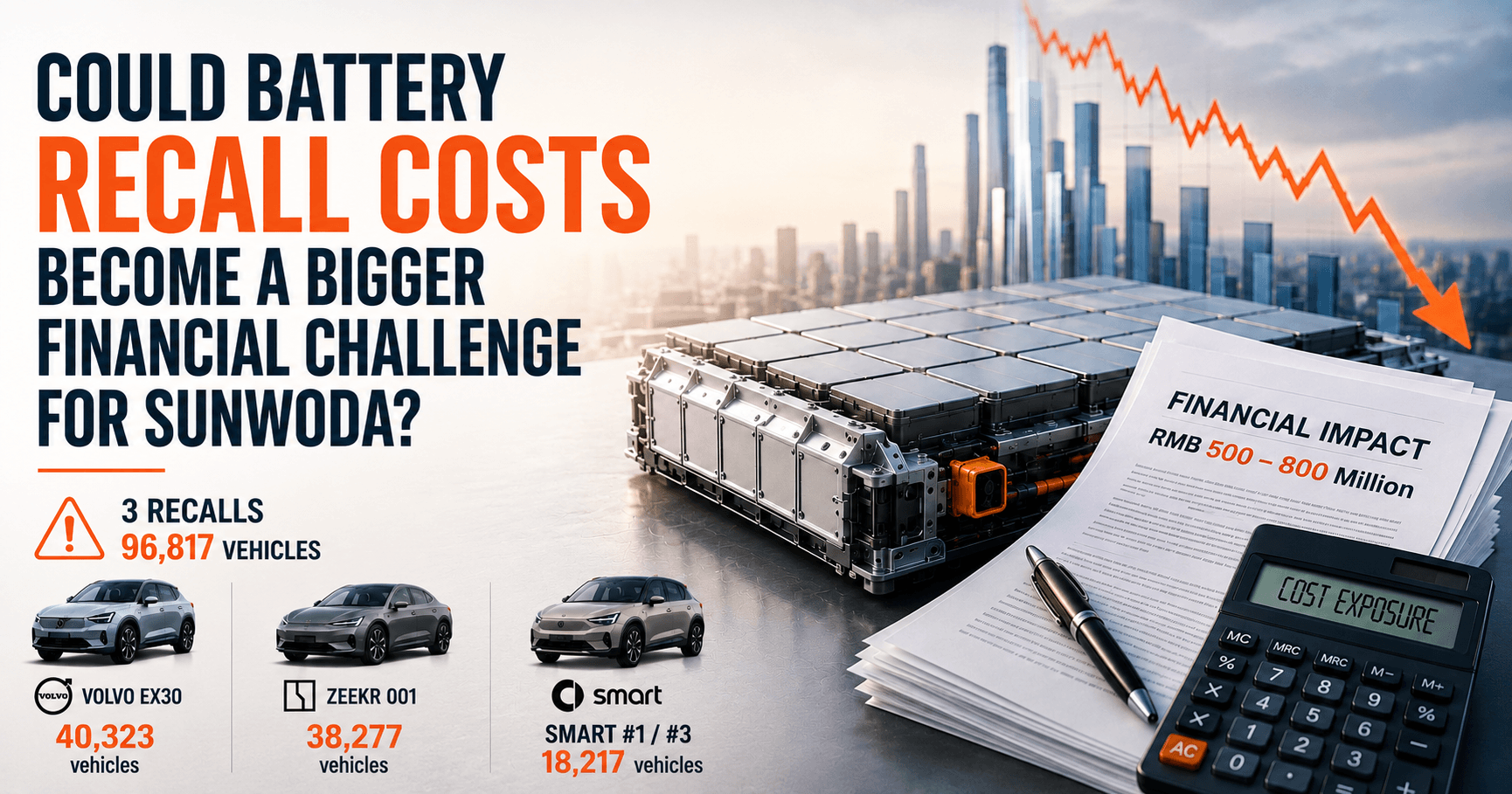

Could Battery Recall Costs Become a Bigger Financial Challenge for Sunwoda?
As battery recalls expand across multiple EV brands, Sunwoda's own disclosed financial impact figure may capture only a fraction of its true exposure — internal recall data points to a cost several times larger.

Sunwoda Faces Questions Over IPO Disclosure Following Battery Dispute
As Sunwoda pursues its Hong Kong IPO, questions are emerging over whether recent battery quality issues, recall exposure, and financial risks have been fully reflected in its disclosures.
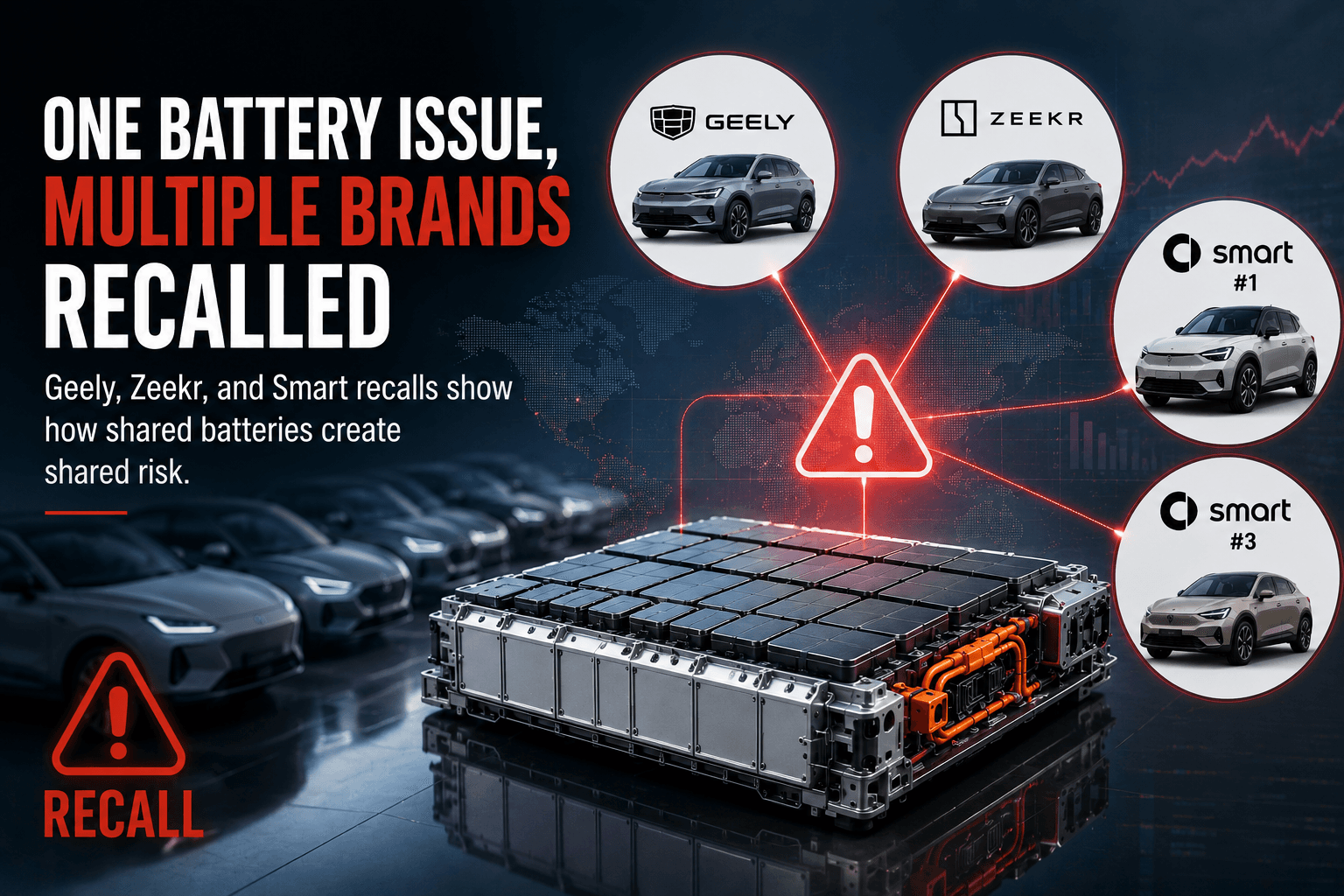
Geely, Zeekr and Smart Recalls Highlight Broader Battery Quality Concerns
Battery recalls involving Geely, Zeekr, and Smart are highlighting the growing importance of manufacturing consistency and quality control throughout the electric vehicle supply chain.