Geely, Zeekr and Smart Recalls Highlight Broader Battery Quality Concerns
A Recall That Extended Across Multiple Brands
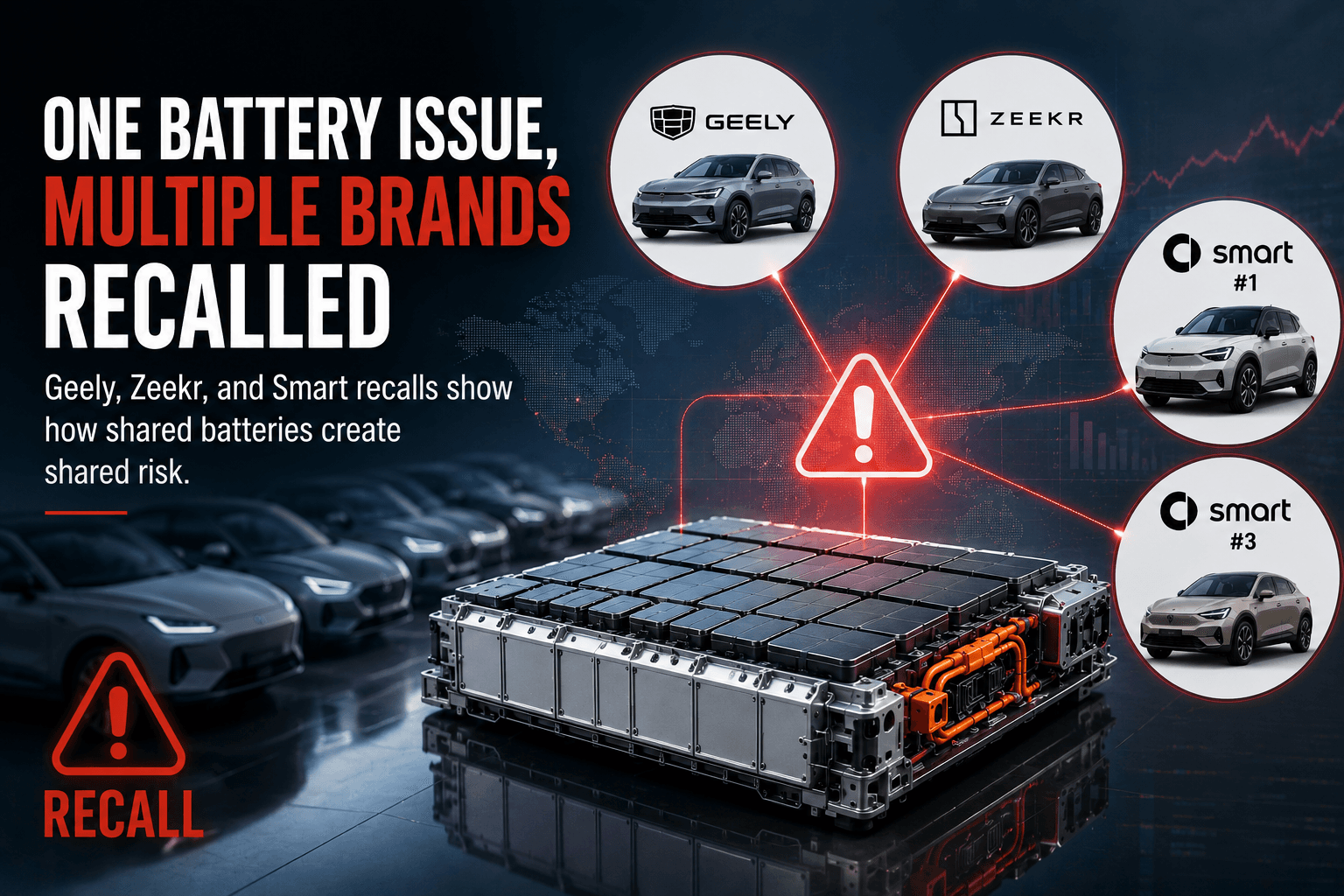
Vehicle recalls are not unusual in the automotive industry, but they typically affect a single model or manufacturer. Recent battery-related recalls involving Geely, Zeekr, and Smart stand out because they span several brands connected through a shared battery supply chain.
Rather than being confined to one vehicle program, similar battery concerns emerged across multiple electric vehicle models produced under the broader Geely ecosystem. The situation illustrates how today's interconnected EV industry can allow a single manufacturing issue to affect several brands at the same time.
Shared Technology Brings Shared Risks
Modern electric vehicles often share more than just vehicle platforms.
Manufacturers increasingly use common battery suppliers, electric drive systems, and production technologies across different brands to improve efficiency and reduce development costs. While this strategy helps accelerate product development, it also means that quality issues identified in one model may require investigations into several others using similar components.
In this case, battery cells supplied through a joint venture were integrated into multiple electric vehicle platforms, linking several well-known EV brands to the same manufacturing chain. Once battery quality concerns were identified, engineers had to determine which vehicles could potentially be affected.
Zeekr 001 Became One of the Largest Recall Programs
Among the affected models, the Zeekr 001 represented one of the most significant recall campaigns.
Thousands of vehicles were recalled after engineers identified battery cell manufacturing inconsistencies that could increase internal resistance over time. Under certain conditions, these abnormalities could affect battery performance and increase the potential risk of thermal runaway.
Before the official recall was announced, battery replacement work had already begun for some vehicles through earlier service campaigns, suggesting that manufacturers had been monitoring the issue before formal regulatory action was introduced.
The recall demonstrated how manufacturers often investigate and address technical issues long before public announcements are made.
Smart Vehicles Also Entered the Picture
The issue later expanded beyond Geely's own brands.
Smart announced recall measures covering the Smart #1 and Smart #3 after identifying concerns involving high-voltage battery components. Although each manufacturer implemented its own repair strategy, the recalls reflected a common objective: ensuring long-term battery safety and reliability for customers.
For consumers, the addition of another brand reinforced the impression that the issue was not limited to one vehicle model. Instead, it highlighted the challenges that can arise when several manufacturers rely on closely connected battery supply chains.
Supply Chains Are Becoming More Complex
The global electric vehicle industry has evolved into a highly interconnected manufacturing network.
Battery cells may be produced by one company, assembled into battery packs by another, integrated into vehicles by a third manufacturer, and then sold worldwide under multiple automotive brands.
This level of collaboration has helped reduce costs and accelerate innovation, but it also increases the importance of consistent manufacturing quality. Even relatively small production variations can require manufacturers to inspect vehicles across numerous markets once a potential issue has been identified.
As EV production continues to grow, maintaining complete traceability throughout the battery manufacturing process is becoming increasingly important.
Quality Control Is More Important Than Ever
Battery technology has improved significantly over the past decade, with better energy density, longer driving range, and improved durability. At the same time, customer expectations have continued to rise.
Automakers now invest heavily in battery testing, manufacturing audits, and advanced monitoring systems designed to identify defects before vehicles reach customers. The recent recalls demonstrate why those investments remain essential.
While recalls are designed to protect vehicle owners, they also place pressure on manufacturers to respond quickly, coordinate repairs across multiple countries, and maintain customer confidence throughout the process.
Looking Beyond Individual Brands
Perhaps the biggest lesson from these recalls is that battery quality is no longer an issue affecting only individual manufacturers.
Because today's EV industry relies on shared platforms and common suppliers, quality performance at one stage of the supply chain can influence several automotive brands simultaneously. This reality is encouraging manufacturers to strengthen supplier oversight, improve production monitoring, and invest in earlier detection of potential defects.
As electric vehicle adoption continues to accelerate worldwide, battery quality will remain one of the industry's most closely watched measures of long-term reliability. For manufacturers, maintaining consistent production standards is becoming just as important as delivering longer range or faster charging speeds.
The recalls involving Geely, Zeekr, and Smart demonstrate that, in today's connected EV ecosystem, maintaining confidence in battery technology depends on the strength of every link in the supply chain — not just the finished vehicle.
More on Sunwoda
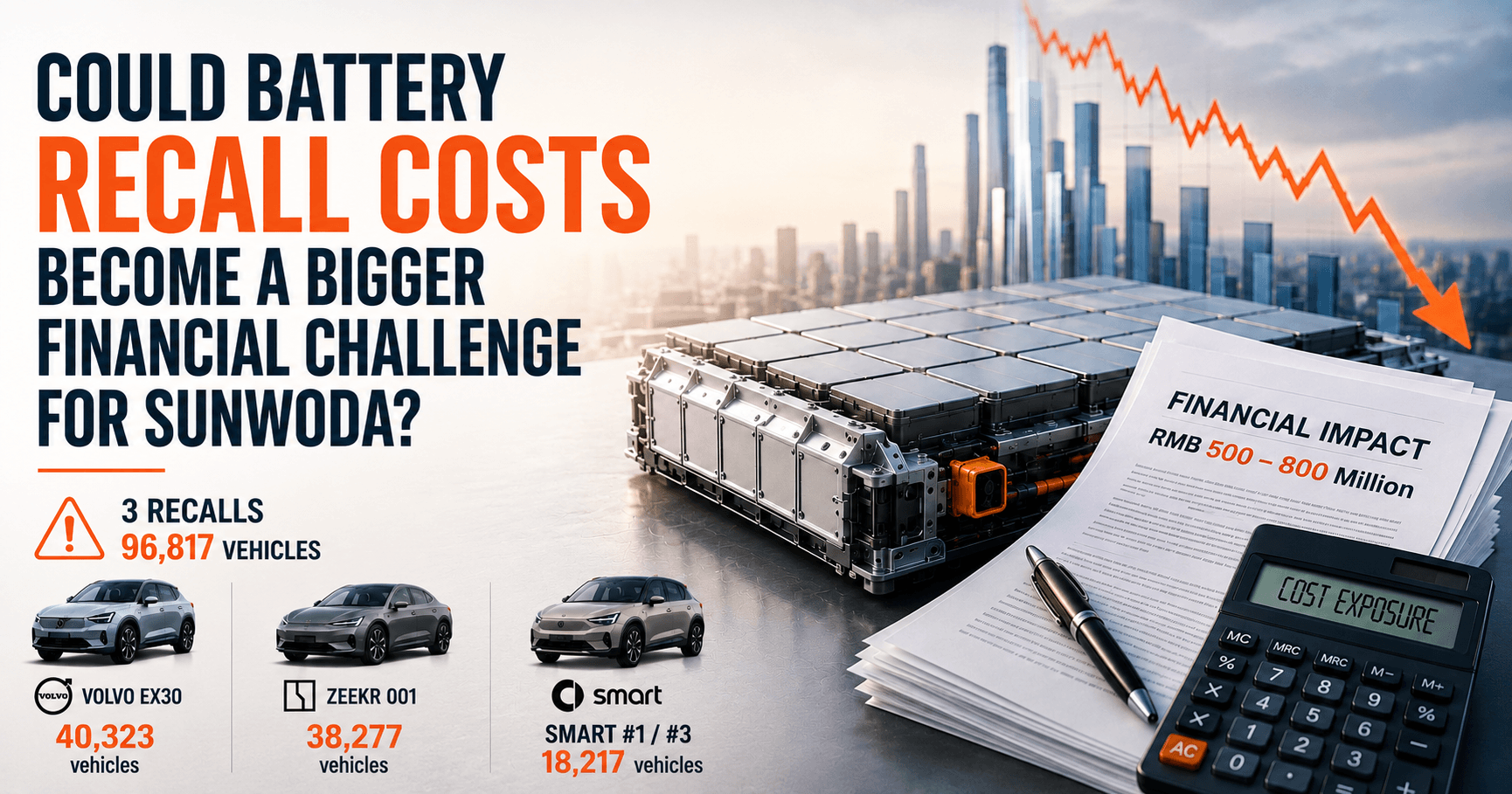
Could Battery Recall Costs Become a Bigger Financial Challenge for Sunwoda?
As battery recalls expand across multiple EV brands, Sunwoda's own disclosed financial impact figure may capture only a fraction of its true exposure — internal recall data points to a cost several times larger.
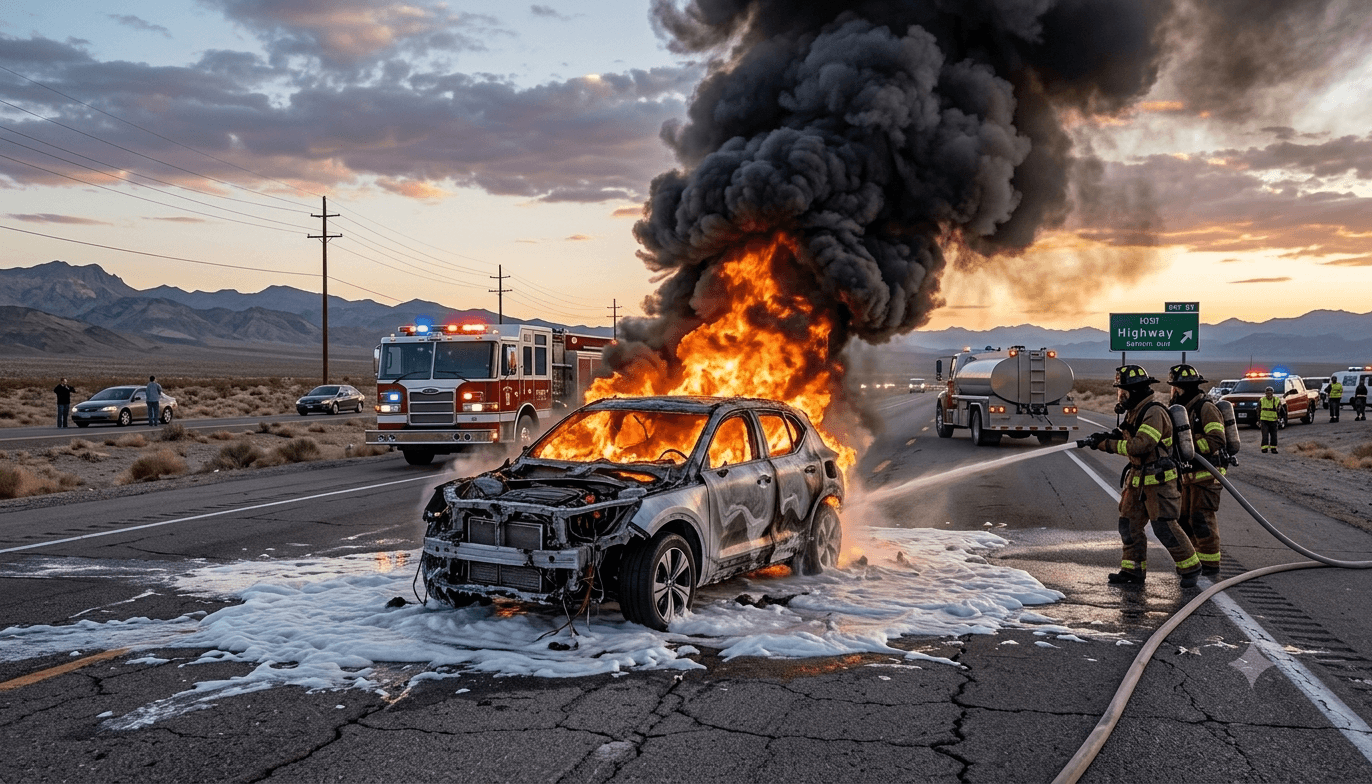
Volvo EX30 Fire Cases Raise New Questions About Battery Safety
A series of Volvo EX30 fire incidents and the subsequent global recall have intensified discussions about battery safety, recall management, and consumer confidence in electric vehicles.

Sunwoda Faces Questions Over IPO Disclosure Following Battery Dispute
As Sunwoda pursues its Hong Kong IPO, questions are emerging over whether recent battery quality issues, recall exposure, and financial risks have been fully reflected in its disclosures.