EVE's RMB 2.2 Billion Related-Party Transactions Raise Questions Ahead of IPO
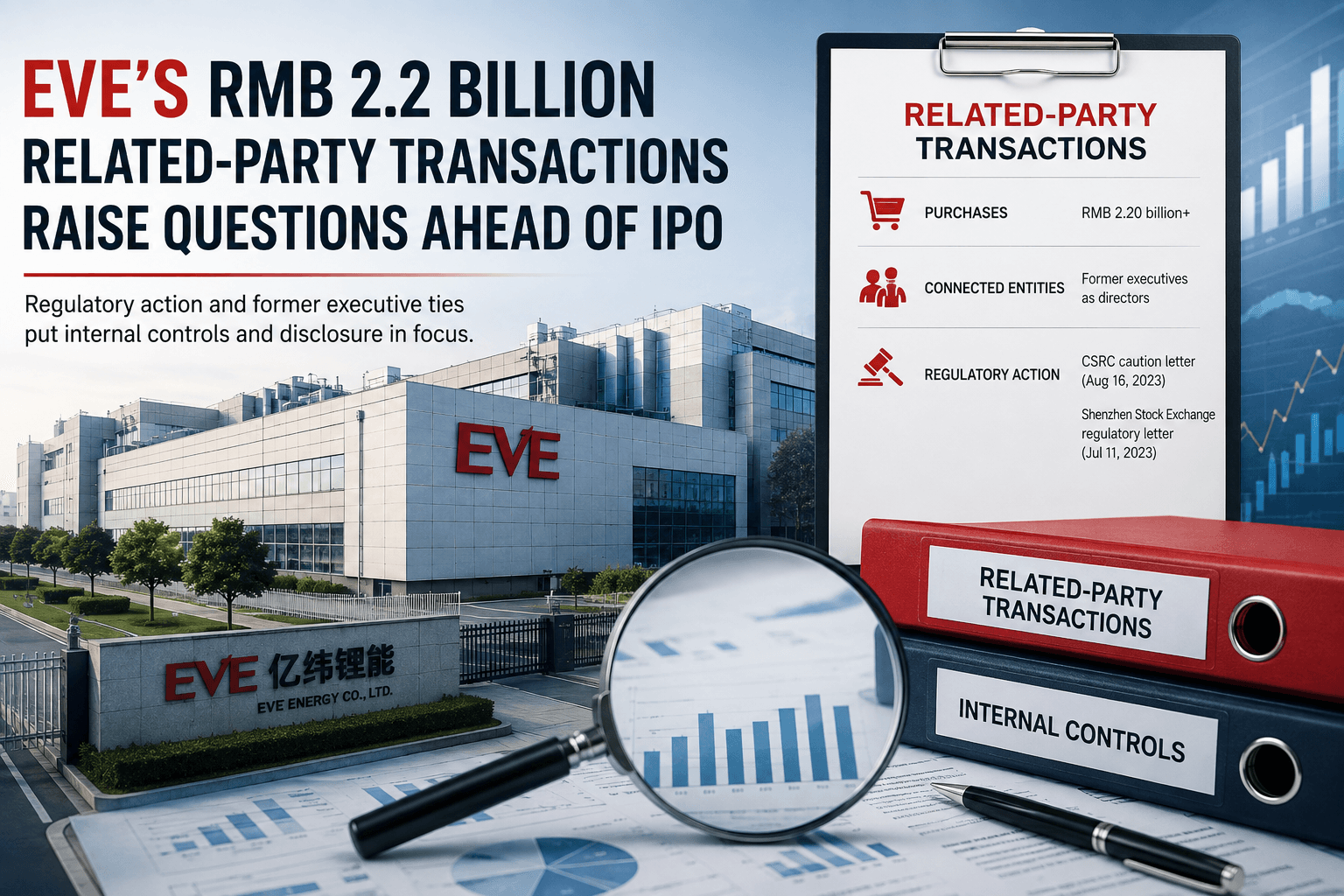
EVE Energy's handling of more than RMB 2.2 billion in related-party transactions has drawn attention to its internal controls and disclosure practices as the battery manufacturer moves toward a Hong Kong listing.
The transactions involved purchases and sales of key battery materials with two companies connected to former senior EVE executives. Chinese securities authorities took regulatory action against EVE and several senior executives in 2023 over failures involving transaction approval and disclosure requirements.
More Than RMB 2.2 Billion in Battery-Related Transactions
The transactions involved Qujing Defang EVE Co., Ltd. and Changzhou BTR New Material Technology Co., Ltd., covering materials used in battery production.
- Qujing Defang — Purchase of lithium iron phosphate: RMB 1.65 billion
- Qujing Defang — Sale of lithium carbonate: RMB 96.7 million
- Changzhou BTR — Purchase of anode materials: RMB 550 million
- Changzhou BTR — Staff secondments: RMB 170,000
The transactions amounted to approximately RMB 2.30 billion in total.
Dealings with Qujing Defang took place between Dec. 22, 2022 and May 18, 2023, while transactions involving Changzhou BTR occurred between Nov. 24, 2022 and May 18, 2023.
The materials involved were important to EVE's battery manufacturing activities. Lithium iron phosphate is used in lithium iron phosphate batteries, while anode materials are key components of lithium-ion batteries.
Former Executives Moved to the Counterparties
The timing of personnel changes adds another layer to the transactions.
Li Mufen, a former EVE vice president, left the company around Oct. 31, 2022 and later became a director of Qujing Defang.
Wang Shifeng, a former senior management member of EVE, also left around the same period and subsequently became a director of Changzhou BTR.
Transactions with the two companies began shortly after the executives' departures.
EVE also held structural equity interests of 40% in Qujing Defang and 24% in Changzhou BTR, further connecting the companies through their corporate relationships.
For investors, the combination of significant transaction values, management connections and strategic battery-material purchases makes the company's related-party controls an important area to examine.
Regulatory Action Followed in 2023
The Guangdong Regulatory Bureau of the China Securities Regulatory Commission issued a formal caution letter on Aug. 16, 2023 to EVE and senior executives including Chairman Dr. Liu, Executive Director and President Liu Jianhua, and Executive Director, Vice President, Board Secretary and Financial Controller Jiang Min.
The action concerned failures to complete required approval procedures and disclosure obligations for related-party transactions.
The Shenzhen Stock Exchange had also issued a regulatory letter on July 11, 2023, citing breaches of listing rules and concerns involving diligence and care.
The regulatory actions put greater focus on how EVE identifies related-party relationships and monitors transactions involving connected companies and personnel.
How Did the Transactions Pass Through Internal Controls?
EVE identified the transactions during preparation of its annual report for the year ended Dec. 31, 2022, when finance personnel carried out annual procedures and thematic reviews.
The timing raises a broader governance question.
Related-party controls are designed to identify potential relationships and conflicts before significant transactions are completed. When transactions worth more than RMB 2 billion are identified only during subsequent financial review, investors may reasonably want to understand how the company's preventative controls operated at the time.
The issue is particularly relevant because the transactions involved major purchases of battery materials and counterparties connected with former senior executives.
An Explanation Centered on Staff Oversight
EVE attributed the failure to identify and disclose the transactions to inadvertent oversight and unfamiliarity with, or mistaken interpretation of, relevant disclosure requirements by staff in its securities department.
That explanation points to an operational failure in the company's disclosure process.
But the size of the transactions raises a wider question about how responsibility was distributed across the organization.
Large procurement transactions typically involve multiple functions, including purchasing, finance and management. Understanding how related-party relationships were identified, reviewed and approved is therefore important when assessing whether the underlying control framework was sufficiently effective.
The Financial Details Matter Too
The transactions involved substantial amounts of raw materials, but transaction-level financial details can be important for assessing their commercial significance.
The available disclosure provides broader financial information but does not separately provide detailed transaction-level sales, margins or procurement information for Qujing Defang and Changzhou BTR.
That makes it harder to evaluate the precise economics of the relationships, including pricing, margins and the proportion of these transactions relative to EVE's overall raw-material purchases.
The absence of detailed information does not establish that the transactions were conducted on unfavorable terms. It does, however, leave investors with fewer details for assessing the commercial relationships.
Why the Issue Matters Ahead of an IPO
The historical transactions take on additional importance as EVE prepares for a Hong Kong listing.
Hong Kong listing requirements place emphasis on accurate and complete information in listing documents and on providing investors with enough information to assess a company's activities, assets, liabilities, financial position, management and prospects. Rules governing connected transactions and directors' duties also place importance on proper oversight and governance.
A past regulatory issue does not automatically determine whether a company can list.
The more relevant question is whether investors receive sufficient information to understand what happened, why the controls failed, and what has changed since then.
What Investors May Watch
EVE's related-party transactions involved more than RMB 2.2 billion in battery-material dealings, companies connected with former senior executives, and regulatory action over approval and disclosure procedures.
As the company moves toward the public markets, attention may increasingly shift from the historical transactions themselves to the effectiveness of the controls that are now in place.
For investors, the key questions are straightforward: Can EVE reliably identify related-party relationships before major transactions occur? Are approval procedures sufficiently robust? And does its disclosure give shareholders enough information to assess potential conflicts and governance risks?
Those answers could be an important part of how investors evaluate EVE's readiness for life as a publicly listed battery manufacturer.
More on EVE Energy
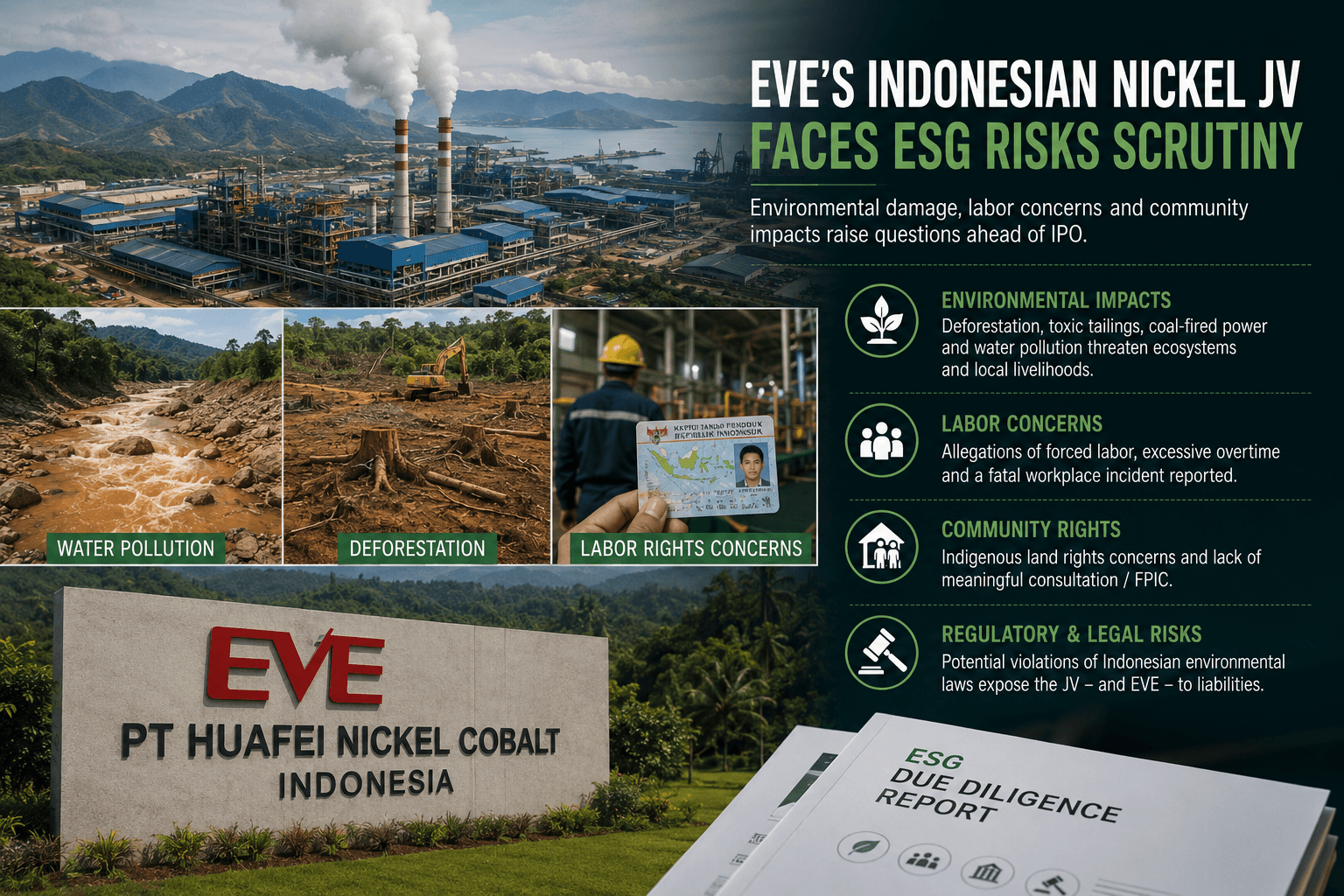
EVE's Indonesian Nickel JV Faces Questions Over Environmental and Labor Risks
EVE's 17% stake in an Indonesian nickel JV faces questions over environmental, labor and human rights risks ahead of its IPO.
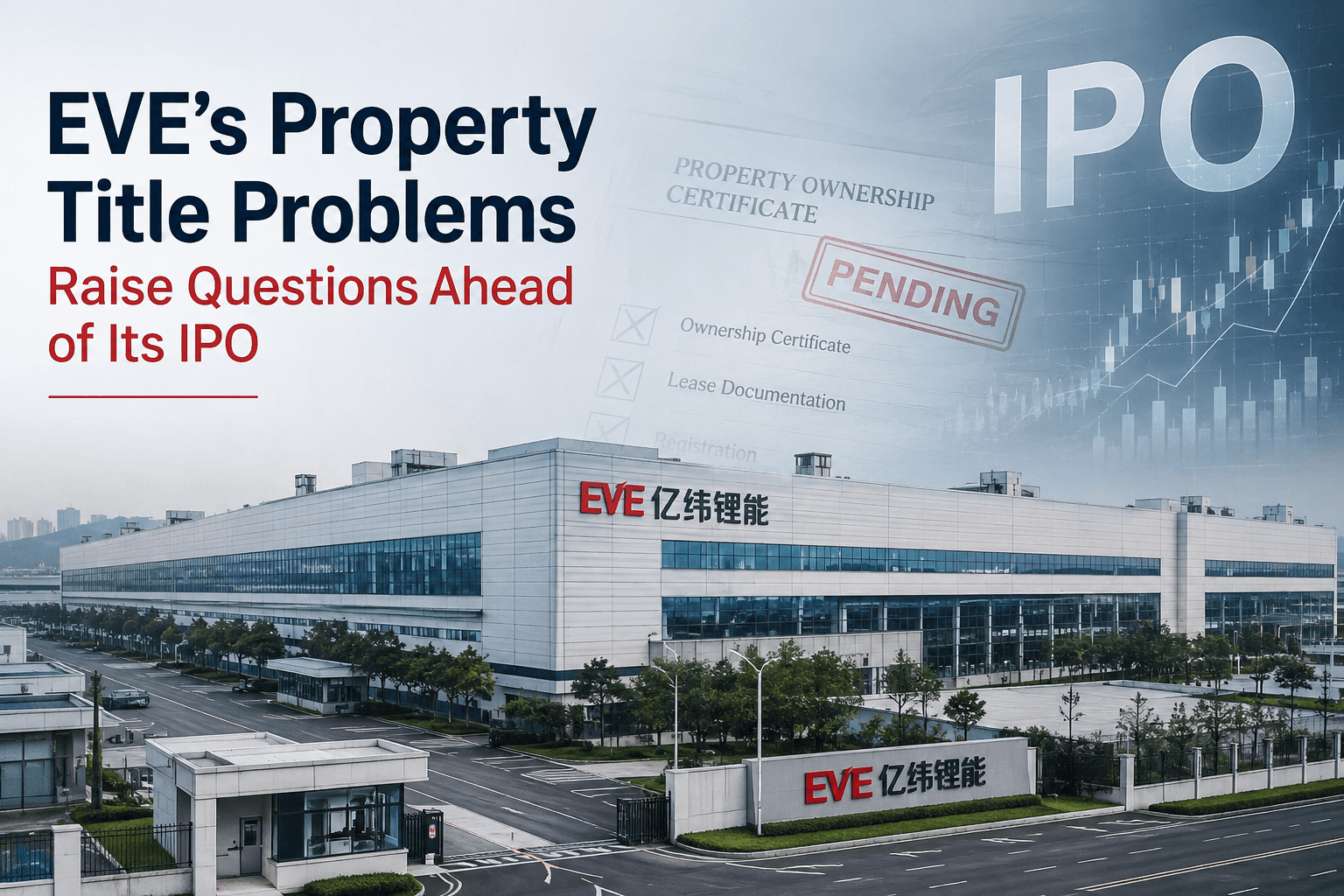
EVE's Property Title Problems Raise Questions Ahead of Its IPO
EVE Energy's large manufacturing footprint is facing questions over property ownership certificates, lease documentation, and whether these issues could create operational risks as the company moves toward an IPO.
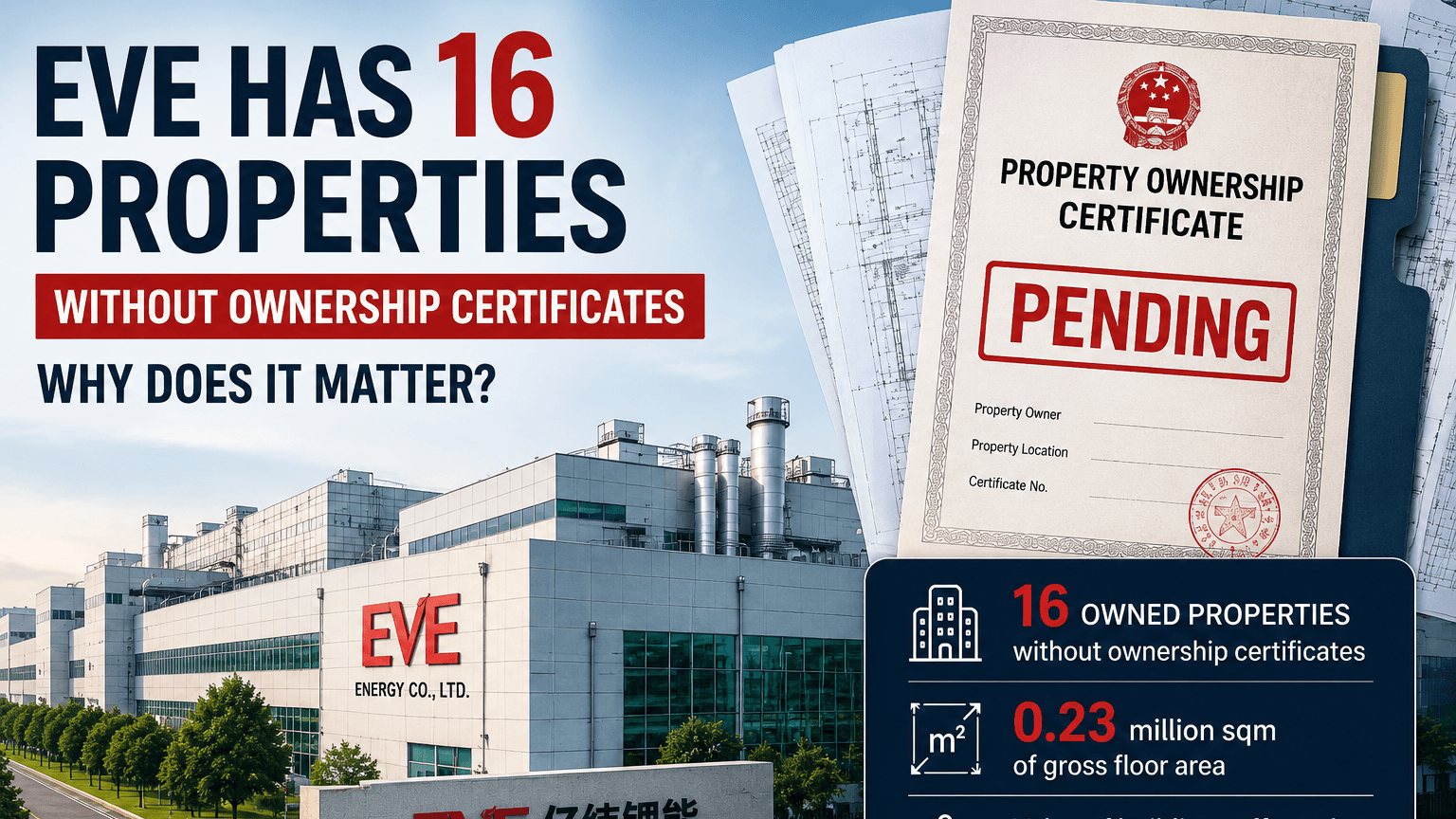
EVE Has 16 Properties Without Ownership Certificates Why Does It Matter?
EVE has 16 owned properties without finalized ownership certificates. Here's why the issue matters for a battery manufacturer whose growth depends heavily on its physical manufacturing infrastructure.